When solo founders see their churn rates rise, their first instinct is often to adjust their pricing. They think: "If I make the app 30% cheaper, or add a $9/mo tier, users will stop cancelling." They launch discounts, send coupon codes, and rewrite their pricing page.
But this is almost always a mistake. Churn is rarely a pricing problem. It is a value delivery problem.
The Pricing Fallacy
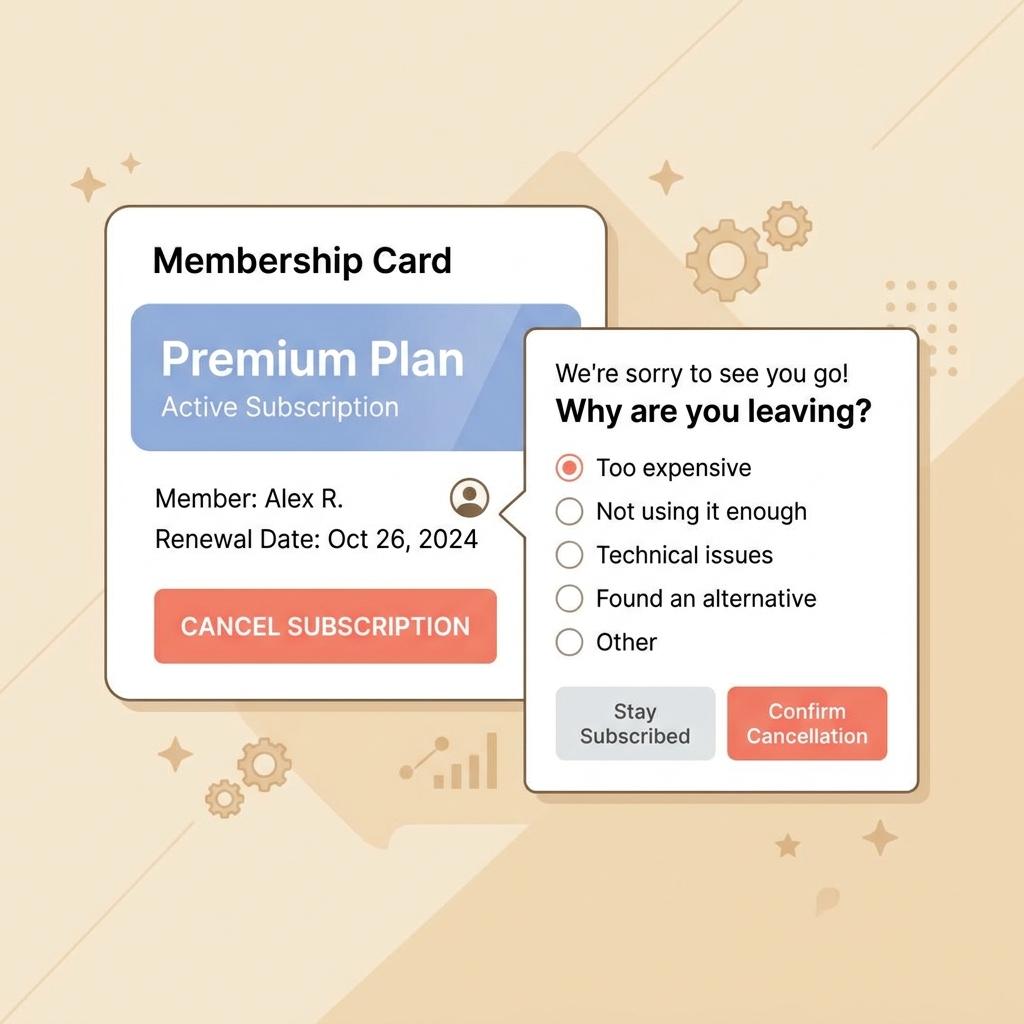
If a user cancels their subscription, and lists "Too expensive" as their reason, it is tempting to take them at their word. However, "Too expensive" is usually code for: "I did not get enough value out of this product to justify the cost."
Think about your own subscriptions. You probably pay $15/month for Netflix or Spotify without thinking twice. But if a utility tool charging $5/month fails to save you time or solve your problem, you cancel it immediately. The problem is not the $5; it is the fact that the tool did not fit your workflow.
The Real Culprits Behind Churn
When we analyze cancellations using Loopyback’s persona clustering, we find three consistent root causes of churn:
- Poor Activation: The user signed up but never actually completed the setup. They paid for the first month, forgot about it, and cancelled when they saw the charge because they never experienced the value.
- Workflow Friction: The tool works, but it does not integrate with their existing stack. If they have to manually export CSVs and copy-paste data, the friction eventually outweighs the benefit.
- Unmet Expectations: The marketing promised one thing, but the app delivered another. They churn because the product did not solve the specific problem they had in mind.
How to Diagnoses the Real Problem
Instead of lowering your prices, build a structured feedback system for cancelling users. When a user clicks "Cancel Subscription":
- Ask them to select a cancellation reason, but follow up with an open-ended question: "What is the single thing that would make you stay?"
- Use AI clustering to analyze their responses. If you see patterns like "need X integration," you have a roadmap priority, not a pricing error.
- Examine their usage logs. Did the user who churned because of "pricing" actually use the app in the last 14 days? If not, their onboarding failed.
Key Takeaways
- Discounting plans usually attracts low-value users who churn at even higher rates.
- Focus on shortening the "Time to Value" during the onboarding trial.
- Build exit surveys that prompt for qualitative, open-ended answers to uncover integrations or features that are missing.