As an indie developer, it is easy to get caught up in vanity metrics. Checking your Stripe dashboard for MRR or refreshing your analytics to see page views feels productive, but these numbers are trailing indicators. They tell you what happened, not why it happened or what will happen next.
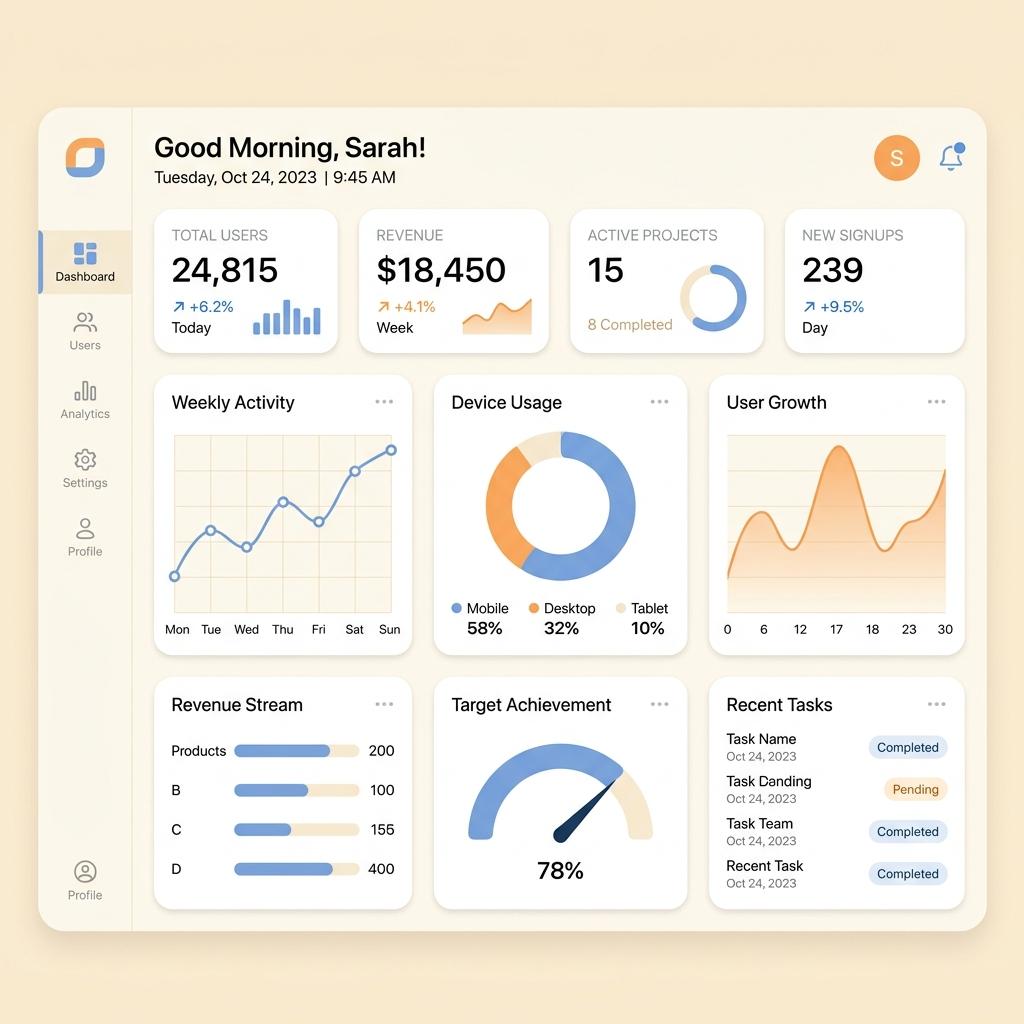
To build a sustainable SaaS, you need dashboards that monitor the health of your user experience. Here are the 10 essential dashboards you should set up today.
1. Sean Ellis PMF Tracker
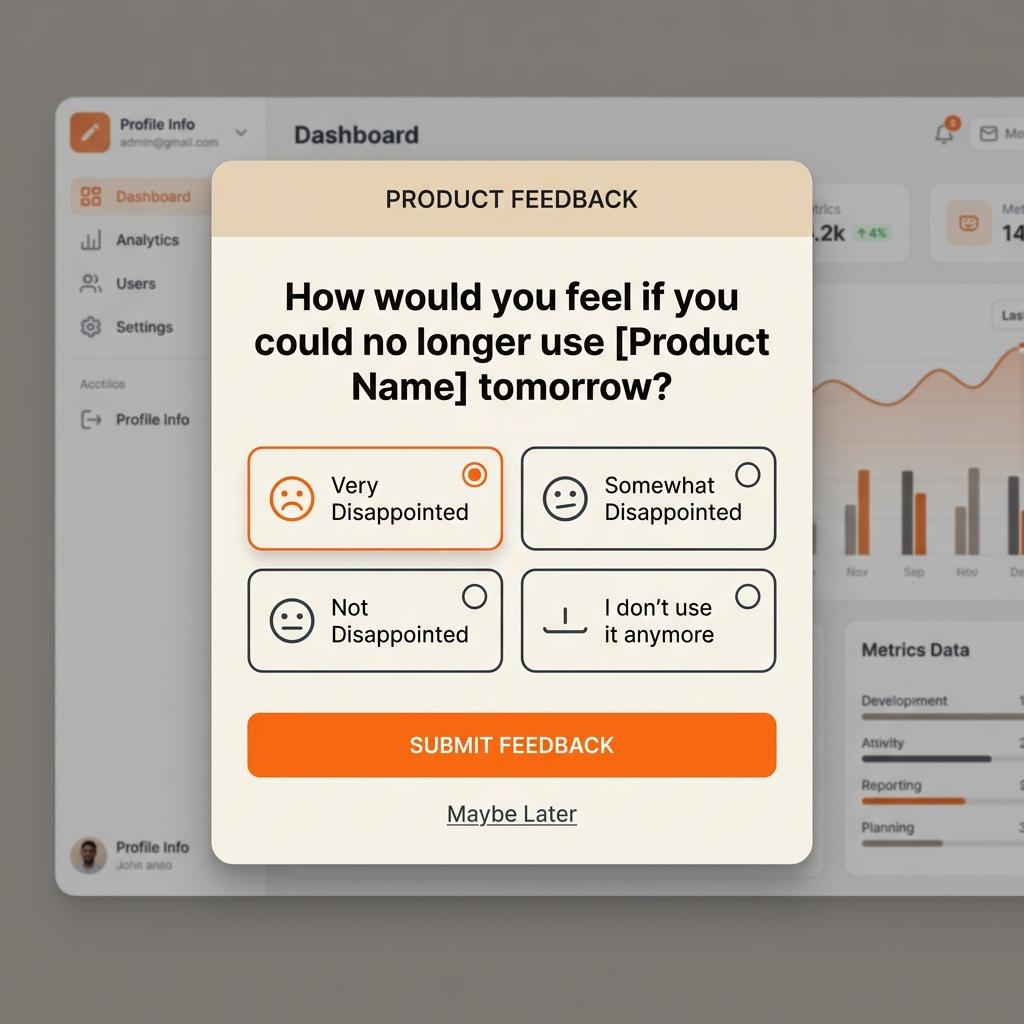
This dashboard tracks the percentage of users who would be "Very disappointed" if your app disappeared tomorrow. Plotting this score weekly helps you see if your recent releases are improving your core value proposition.
2. Activation Funnel
Most SaaS dropouts happen in the first 5 minutes. You need a funnel showing the steps from sign-up, to project creation, to first value delivery. A drop-off of 50% between sign-up and first action means your onboarding is broken.
3. Cohort Retention
A simple list of users who signed up in Week 1, and what percentage returned in Weeks 2, 3, and 4. If your retention curves do not flatten out, you have a leaking bucket.
4. Churn Reason Distribution
When a user cancels their subscription, do you know why? A pie chart displaying categorization of exit feedback (e.g., "Too expensive", "Missing integrations", "Bugs") tells you exactly what blockers are stopping your growth.
5. Feedback Volume and Response Speed
Customer support is the secret marketing channel for indie hackers. Monitor how many support requests or bug reports you receive, and your average time to respond. Keeping this under 2 hours creates insane customer loyalty.
6. LTV to CAC Ratio
Compare the total money a user brings in over their lifecycle (LTV) against the money you spend to acquire them (CAC). A healthy SaaS should have an LTV/CAC ratio of 3x or higher.
7. Persona Clustering
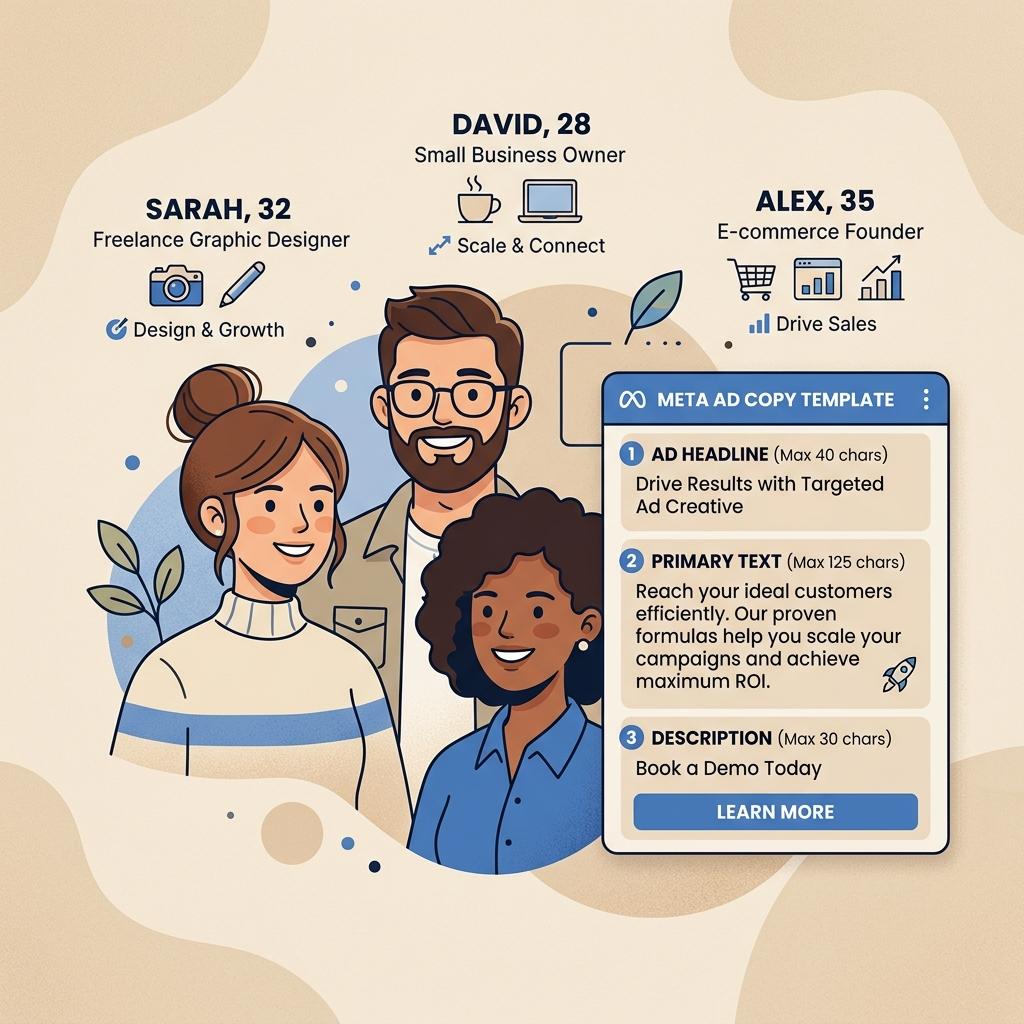
An AI-powered view that groups your feedback text into distinct personas (e.g., "Freelance Designer", "Agency Owner"). This dashboard reveals who is getting the most value out of your product so you can tailor your copy.
8. Feature Usage Frequency
A grid listing your main features and how often they are used. You might find that a feature you spent 3 weeks building is used by 1% of users, while a small utility is used by 90% daily.
9. Conversion Rate by Traffic Source
Track which marketing channels (e.g., Twitter, Google Search, Product Hunt) yield the highest signup-to-paid conversion. Spend your time where the conversions are, not where the raw traffic is.
10. Direct Customer Quote Wall
A live feed of raw text feedback submitted by your users. Reading their actual words keeps you grounded and helps you use their exact language in your marketing campaigns.
Key Takeaways
- Move away from trailing vanity metrics (like raw visits) to leading indicators (like funnel completion).
- Use cohort analysis to determine if product updates are actually improving retention.
- Always automate the collection of exit reasons to fix leakage points immediately.